
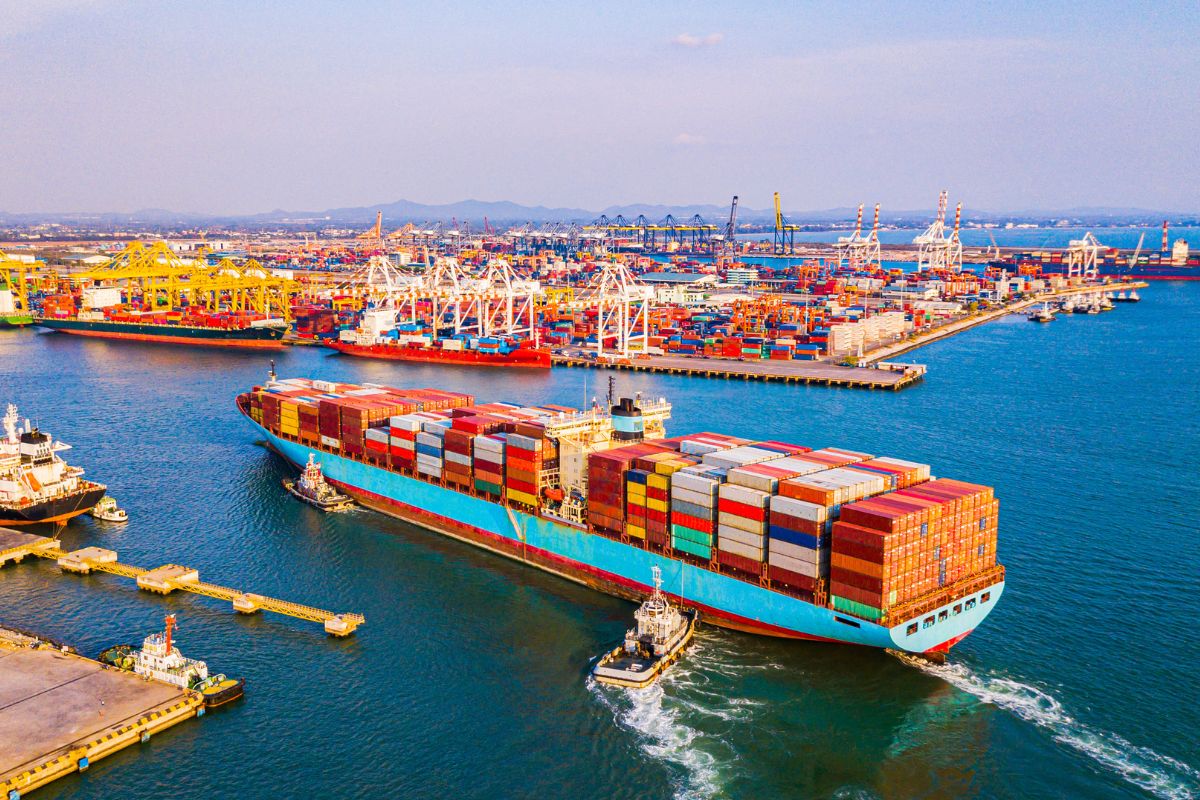
International fertilizer trade plays an essential role in supporting agricultural production and global food security. As agricultural demand continues to evolve, fertilizer import has become an important business activity for distributors, wholesalers, agricultural companies, and fertilizer manufacturers worldwide.
For businesses looking to import fertilizers, finding a reliable supplier is only one part of the process. Successful international transactions also require careful product selection, quality verification, import documentation, shipping arrangements, and compliance with destination-country regulations.
Whether you are importing NPK fertilizers, potassium nitrate (KNO₃), potassium sulfate (SOP), urea, or other agricultural nutrients, understanding the import process can help reduce trading risks and improve procurement efficiency.
In this guide, we explore the essential steps involved in fertilizer import, from supplier selection to international shipping and final delivery.
1. Understanding International Fertilizer Trade
International fertilizer trade involves the buying and selling of fertilizers between suppliers and customers in different countries.
The process connects fertilizer manufacturers, international trading companies, exporters, importers, distributors, and agricultural retailers.
Common fertilizer products traded internationally include:
-
Nitrogen Fertilizers: Urea, ammonium sulfate, and other nitrogen-based products.
-
Phosphate Fertilizers: MAP, DAP, and other phosphate-based fertilizers.
-
Potassium Fertilizers: Potassium chloride (MOP), potassium sulfate (SOP), and potassium nitrate (KNO₃).
-
Compound Fertilizers: NPK fertilizers with different nutrient formulations.
-
Water-Soluble Fertilizers: Specialty fertilizers designed for fertigation and foliar application.
-
Micronutrient Fertilizers: Products containing essential nutrients such as zinc, boron, iron, and manganese.
Each fertilizer category has different technical specifications, handling requirements, and import considerations.
Understanding the product you intend to import is the first step toward establishing a successful international trading transaction.
2. Step-by-Step Fertilizer Import Process
Importing fertilizers involves several stages that require coordination between buyers, suppliers, logistics providers, and relevant authorities.
Step 1: Identify Your Fertilizer Requirements
Before contacting suppliers, define your purchasing requirements clearly.
Consider the following information:
-
Fertilizer product name and formulation
-
Guaranteed nutrient content
-
Required product grade
-
Physical form, such as powder, granules, or crystals
-
Packaging requirements
-
Required order quantity
-
Destination port or delivery location
-
Target delivery schedule
For example, an importer sourcing NPK 20-20-20 should confirm the nutrient composition, solubility, product grade, packaging, and other relevant specifications.
Clear product requirements help suppliers provide accurate quotations and reduce misunderstandings during transactions.
Step 2: Find and Evaluate Reliable Fertilizer Suppliers
Choosing a reliable fertilizer supplier is one of the most important decisions in international fertilizer trading.
Buyers should evaluate potential suppliers based on:
-
Manufacturing or sourcing capabilities
-
Product quality and technical specifications
-
Export experience
-
Supply capacity
-
Competitive pricing
-
MOQ and packaging flexibility
-
Communication and transaction transparency
Importers can work directly with fertilizer manufacturers or cooperate with international trading companies that have established supplier networks.
A professional supplier should be able to provide product information, commercial quotations, and relevant supporting documents.
Step 3: Request Quotations and Confirm Commercial Terms
Once suitable suppliers have been identified, buyers should request formal quotations.
A fertilizer quotation should clearly specify:
-
Product name and grade
-
Nutrient composition
-
Price per metric ton (MT)
-
Minimum Order Quantity (MOQ)
-
Packaging specifications
-
Total order quantity
-
Incoterms
-
Payment terms
-
Estimated shipment schedule
-
Quotation validity
Comparing quotations from multiple suppliers can help buyers evaluate market competitiveness.
However, the lowest price does not always represent the best purchasing option. Product quality, shipping arrangements, payment security, and supplier reliability should also be considered.
Step 4: Verify Product Quality Before Shipment
Quality verification is essential when importing fertilizers, especially for bulk orders.
Before confirming shipment, buyers should review the product specifications and request appropriate quality documents.
Common quality verification methods include:
-
Reviewing the Certificate of Analysis (COA)
-
Checking guaranteed nutrient content
-
Reviewing moisture and impurity levels
-
Verifying physical appearance and particle size
-
Arranging third-party inspection when appropriate
For large-volume transactions, buyers may consider independent pre-shipment inspections to verify that the products meet the agreed specifications.
Quality requirements should be clearly defined in the purchase agreement to reduce the risk of disputes.
Step 5: Confirm the Purchase Agreement and Payment Terms
After agreeing on the product specifications, pricing, and delivery conditions, both parties should confirm the commercial agreement.
The purchase contract or sales agreement should include:
-
Buyer and seller information
-
Product description and specifications
-
Order quantity
-
Unit price and total contract value
-
Packaging details
-
Incoterms and named delivery location
-
Payment method and payment schedule
-
Shipment deadline
-
Quality inspection conditions
-
Procedures for handling discrepancies or claims
Clear contractual terms help protect the interests of both buyers and suppliers throughout the transaction.
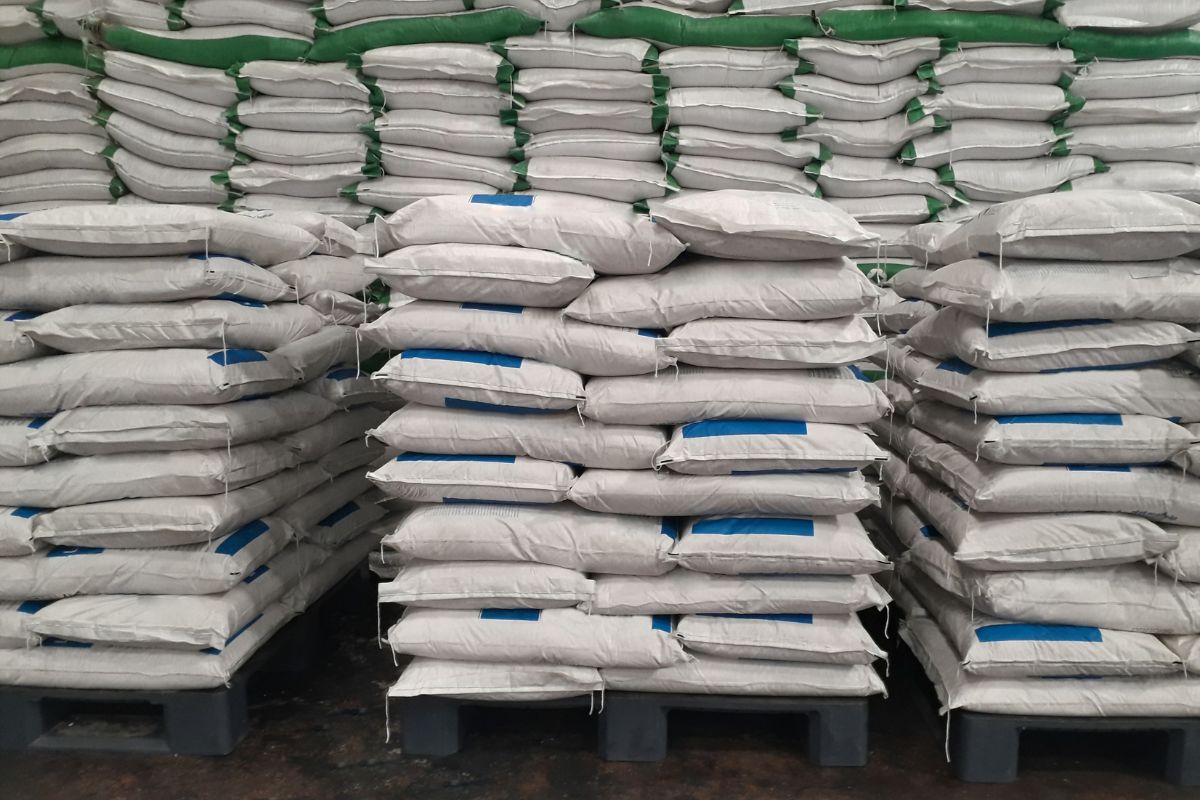
Fertilizer products for international fertilizer import
3. Essential Documents for Fertilizer Import and Export
International fertilizer trade requires accurate documentation to support customs clearance, quality verification, transportation, and regulatory compliance.
Depending on the product and destination market, commonly requested documents may include:
Commercial Invoice
The Commercial Invoice provides transaction details, including the seller, buyer, product description, quantity, unit price, and total value.
Packing List
The Packing List describes the shipment's packaging details, number of packages, net weight, gross weight, and other relevant information.
Bill of Lading (B/L)
The Bill of Lading is a key shipping document issued in connection with sea transportation. It provides shipment and carriage information.
Certificate of Origin (C/O)
A Certificate of Origin identifies the country where the goods originate. It may be required for customs procedures or preferential tariff treatment, depending on applicable trade agreements.
Certificate of Analysis (COA)
The COA provides information about the product's tested characteristics and composition.
For fertilizers, it may include nutrient content, moisture, impurities, and other relevant technical parameters.
Safety Data Sheet (SDS/MSDS)
The SDS provides safety information, handling instructions, storage recommendations, and relevant hazard information.
Additional Import Permits and Certificates
Depending on local regulations, fertilizer importers may need additional permits, product registrations, conformity documents, or other regulatory approvals.
Important: Fertilizer import requirements vary by country, product composition, HS code, and intended use. Buyers should verify the current requirements with the relevant authorities before shipment.

Fertilizer quality inspection and laboratory testing
4. Understanding Incoterms in International Fertilizer Trade
Incoterms are internationally recognized trade rules that define certain responsibilities of buyers and sellers regarding delivery, transportation costs, and risk transfer.
Understanding Incoterms is essential when negotiating fertilizer import contracts.
Some commonly used Incoterms include:
EXW – Ex Works
Under EXW, the seller makes the goods available at an agreed location, usually their premises.
The buyer assumes most transportation responsibilities and costs from that point.
FOB – Free on Board
Under FOB, the seller delivers the goods on board the vessel nominated by the buyer at the agreed port of shipment.
The buyer generally arranges the main sea transportation and insurance.
CFR – Cost and Freight
Under CFR, the seller pays the cost and freight necessary to bring the goods to the named destination port.
Risk transfers to the buyer when the goods are loaded on board the vessel at the port of shipment.
CIF – Cost, Insurance and Freight
Under CIF, the seller pays the cost of the goods, freight, and required insurance coverage to the named destination port.
Risk generally transfers when the goods are loaded on board the vessel at the port of shipment.
| Incoterm | Main transportation arrangement |
|---|---|
| EXW | Buyer arranges most transportation |
| FOB | Seller handles delivery on board at shipment port |
| CFR | Seller pays freight to destination port |
| CIF | Seller pays freight and required insurance |
Buyers should specify the named port or location and the applicable Incoterms edition in their contracts.
The Incoterms 2020 rules are widely used in international trade.
5. International Shipping and Logistics for Fertilizer Imports
Logistics plays a significant role in the overall cost and efficiency of fertilizer import.
Fertilizers are commonly transported through international container shipping or bulk cargo transportation, depending on the product, order quantity, and handling requirements.
Container Shipping
Container shipping is commonly used for packaged fertilizers and smaller or medium-sized commercial orders.
Typical packaging options include:
-
25 kg bags
-
50 kg bags
-
Jumbo bags
-
Other customized packaging solutions
Container loading arrangements should consider product weight, packaging strength, moisture protection, and transportation safety.
Bulk Cargo Shipping
Bulk cargo shipping may be suitable for large-volume fertilizer transactions.
This option can support the transportation of substantial quantities, depending on the product characteristics, port facilities, and shipment requirements.
Storage and Handling Considerations
Proper storage is essential for maintaining fertilizer quality during transportation and warehousing.
Importers should consider:
-
Protection against moisture
-
Suitable warehouse conditions
-
Prevention of contamination
-
Appropriate stacking and handling
-
Product-specific safety requirements
A well-organized logistics plan helps reduce handling risks and supports more predictable delivery schedules.
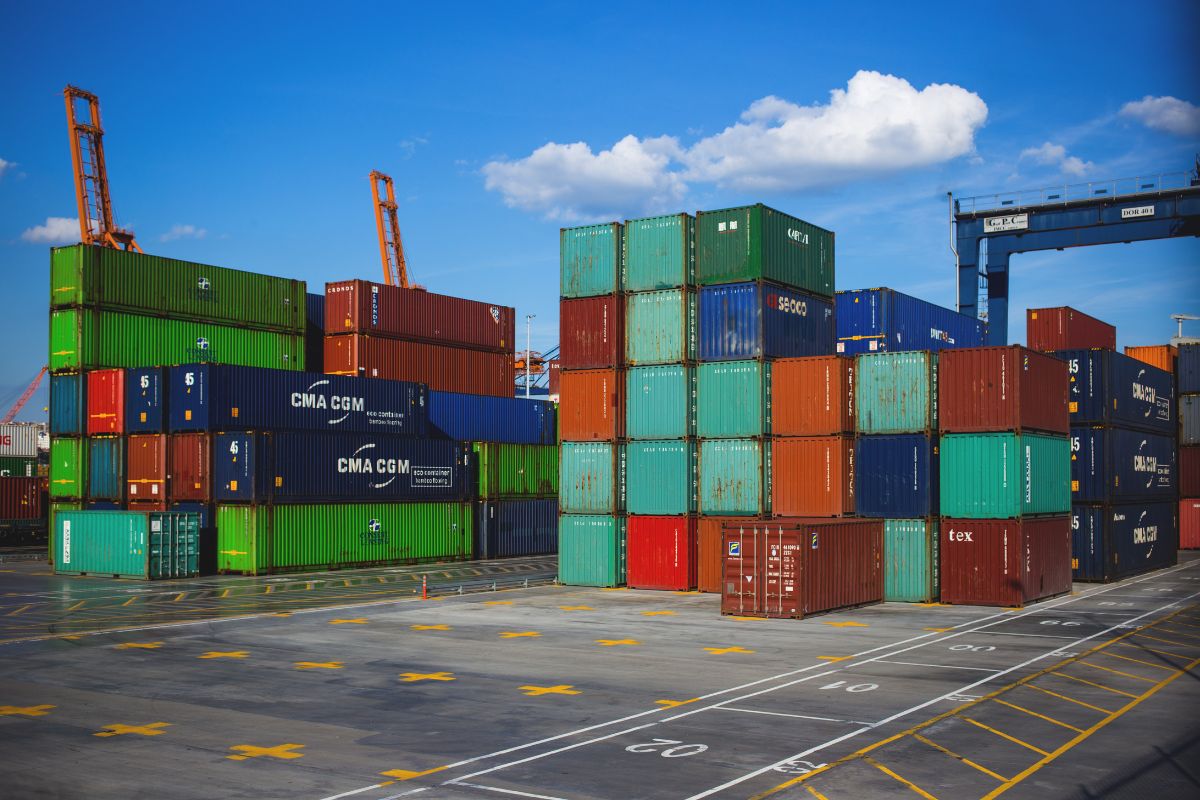
International fertilizer shipping and bulk cargo transportation
6. Key Risks and Challenges in Fertilizer Import
International fertilizer transactions involve commercial, logistical, and regulatory risks.
Importers should pay attention to several important challenges.
Price Fluctuations
Fertilizer prices can change due to raw material costs, energy prices, production capacity, global demand, and international trade policies.
Buyers should compare quotations carefully and understand their validity periods before confirming orders.
Product Quality Discrepancies
Differences between agreed specifications and delivered products can create financial losses and affect customer relationships.
Clear product specifications, quality documentation, and appropriate inspection procedures help minimize this risk.
Shipping Delays
Port congestion, vessel schedule changes, customs procedures, and transportation disruptions can affect delivery times.
Importers should maintain communication with suppliers and logistics providers throughout the shipment process.
Regulatory Compliance
Fertilizer import regulations differ between countries.
Failure to obtain the required permits or meet product registration and labeling requirements may result in shipment delays, additional expenses, or rejection.
Importers should complete regulatory checks before placing orders.
Payment and Counterparty Risks
International transactions may involve risks related to payment delays, inaccurate documents, or unreliable trading partners.
Buyers should verify supplier information, review contractual terms, and choose payment arrangements appropriate to the transaction.
7. How to Optimize Bulk Fertilizer Trading
For distributors and large-scale importers, purchasing fertilizers in bulk can create opportunities to improve procurement efficiency.
However, bulk purchasing requires careful planning.
Consider these strategies:
Plan Purchasing Volumes
Estimate market demand, inventory requirements, and seasonal purchasing patterns before confirming large orders.
Compare Total Landed Costs
Evaluate the complete cost of imported fertilizers, including product price, freight, insurance where applicable, customs duties, taxes, and local handling expenses.
Diversify Sourcing Partners
Working with multiple qualified suppliers can help reduce dependence on a single source.
Coordinate Shipping Efficiently
Select appropriate shipping methods and packaging arrangements based on product characteristics and order volume.
Build Long-Term Supplier Relationships
Long-term cooperation can improve communication, sourcing coordination, and purchasing efficiency.
International fertilizer import and export documentation
8. How IONEER INTL Supports International Fertilizer Trade
IONEER INTL CO., LTD is an international trading company specializing in fertilizers, agricultural products, and industrial minerals.
With a network of trusted manufacturers, suppliers, and business partners across Asia and other international markets, IONEER INTL provides sourcing solutions for customers involved in international trade.
Our approach focuses on three key areas:
Reliable Fertilizer Sourcing
We connect customers with suitable manufacturers and suppliers based on their product specifications and purchasing requirements.
Competitive Trading Solutions
We aim to offer competitive sourcing options and flexible business solutions for fertilizer importers, wholesalers, and distributors.
International Logistics Coordination
We coordinate supply chain activities and international logistics to support efficient transactions and product delivery.
Whether you are sourcing NPK fertilizers, potassium-based fertilizers, nitrogen fertilizers, or other agricultural nutrients, IONEER INTL is committed to supporting your international purchasing requirements.
Conclusion: Making Fertilizer Import More Efficient and Reliable
Successful fertilizer import requires careful planning, reliable sourcing partners, accurate documentation, quality verification, and efficient logistics coordination.
For international buyers, understanding the import process and commercial terms can help reduce risks and improve purchasing decisions.
Choosing the right supplier is not simply about finding the lowest price. It is about building a dependable supply relationship that supports consistent product quality, efficient delivery, and sustainable business growth.
Looking for a reliable fertilizer supplier for your international business?
Contact IONEER INTL CO., LTD to discuss your fertilizer sourcing requirements, request a quotation, and explore international fertilizer trading opportunities.
IONEER INTL CO., LTD – Your Reliable Partner in Global Trading.


