
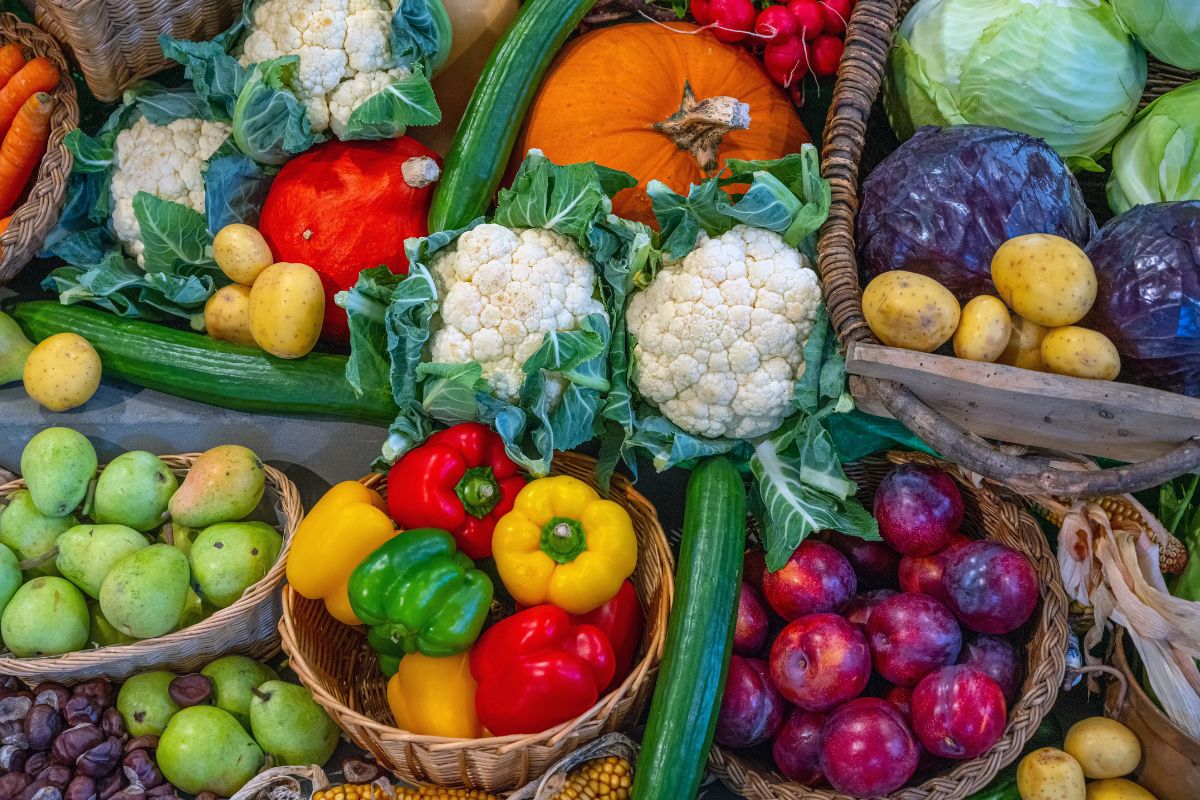
Agriculture plays a vital role in the global economy, supporting food security, international trade, and economic development. As demand for agricultural commodities continues to evolve, agricultural products trading has become an essential part of the international supply chain, connecting producers, suppliers, exporters, importers, and distributors across different markets.
From rice, coffee, and spices to fruits, vegetables, and other agricultural commodities, international trade creates opportunities for businesses to access new markets, diversify product sourcing, and expand their global operations.
However, the global agricultural trade industry also faces challenges related to climate change, transportation costs, regulatory requirements, product quality, and supply chain disruptions.
Understanding these market dynamics is important for businesses looking to participate in international agricultural commodity trading and build sustainable trading partnerships.
In this article, we explore the major opportunities, challenges, and market trends shaping global agricultural products trading.
1. Understanding Global Agricultural Products Trading
Agricultural products trading refers to the international buying and selling of agricultural commodities and related products between businesses in different countries.
This trade connects agricultural producers with international buyers, including importers, wholesalers, distributors, food processors, and retail supply chains.
Common agricultural products traded internationally include:
-
Grains and Cereals: Rice, wheat, corn, and other staple crops.
-
Fruits and Vegetables: Fresh, frozen, and processed agricultural products.
-
Coffee and Cocoa: Agricultural commodities used in the global food and beverage industry.
-
Spices and Herbs: Cinnamon, pepper, star anise, ginger, and other natural products.
-
Agricultural Raw Materials: Products used in food processing and various industrial applications.
International agricultural trading allows businesses to source products from regions with suitable growing conditions, competitive production costs, and established agricultural supply networks.
For importers and distributors, working with reliable trading partners is essential to maintaining product availability and meeting market demand.
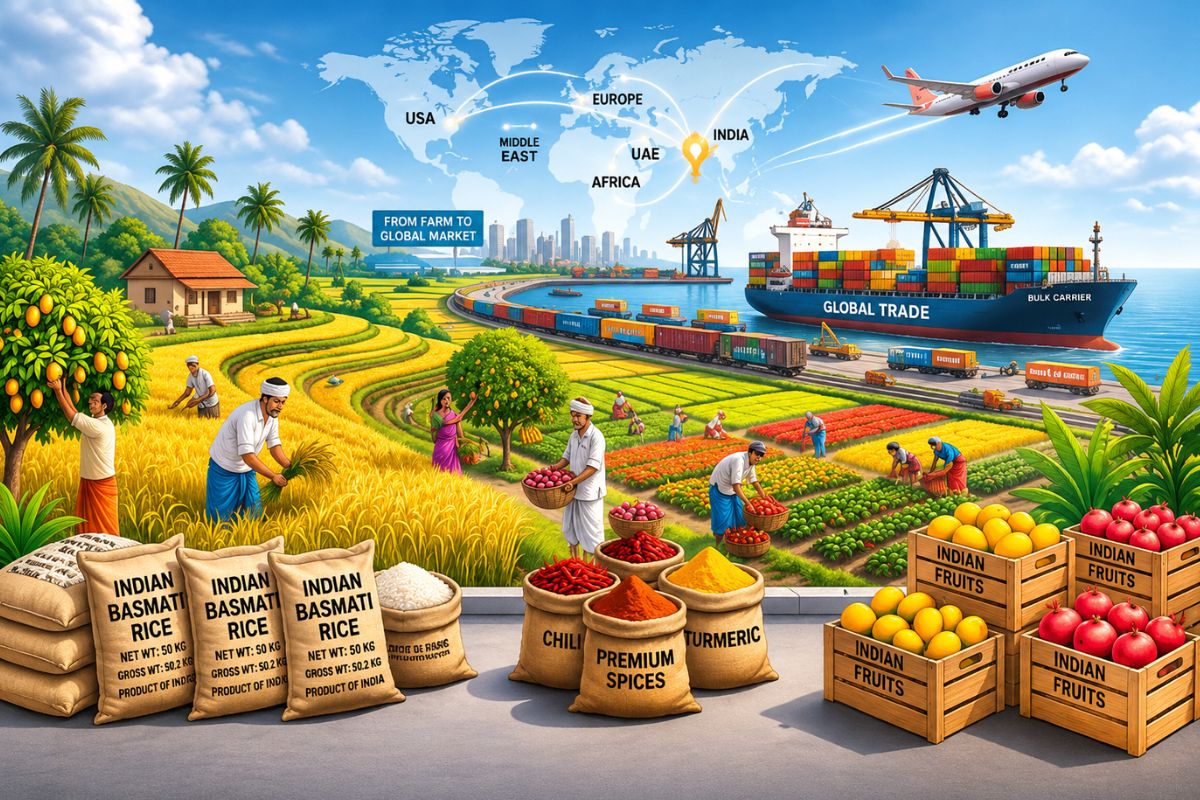
Global agricultural products trading and commodities
2. Major Trends Shaping the Global Agricultural Trade Market
The agricultural trade industry is constantly changing due to shifts in consumer demand, technology, environmental conditions, and international economic developments.
Several important trends are influencing global agricultural products trading.
2.1 Growing Demand for Agricultural Commodities
Population growth, urbanization, and changing consumption patterns continue to influence demand for agricultural products worldwide.
Emerging markets are creating new opportunities for agricultural exporters, while established markets continue to require reliable sources of food ingredients, raw materials, and agricultural commodities.
Businesses involved in agricultural commodity trading need to monitor market demand and identify products with strong commercial potential.
2.2 Increasing Focus on Product Quality and Food Safety
Product quality and food safety are becoming increasingly important in international agricultural trade.
Importers are paying closer attention to product specifications, traceability, hygiene standards, and compliance with destination-market regulations.
Depending on the product and market, buyers may require documentation such as:
-
Certificate of Origin (C/O)
-
Phytosanitary Certificate
-
Certificate of Analysis (COA), where applicable
-
Health Certificate, where required
-
Product specifications and quality inspection reports
Meeting these requirements helps exporters build trust with international buyers and facilitates smoother import procedures.
2.3 Greater Importance of Supply Chain Transparency
International buyers increasingly value transparency throughout the agricultural supply chain.
They want to understand where products come from, how they are processed, how quality is controlled, and how goods are transported.
Reliable sourcing networks and effective supplier coordination can help businesses improve supply chain visibility and reduce potential trading risks.
2.4 Sustainable and Responsible Agricultural Sourcing
Sustainability is becoming an important consideration in global agricultural trade.
Buyers are showing greater interest in responsible sourcing, efficient resource management, environmental protection, and agricultural practices that support long-term production.
For exporters and trading companies, developing transparent sourcing relationships and understanding sustainability requirements can create additional opportunities in international markets.
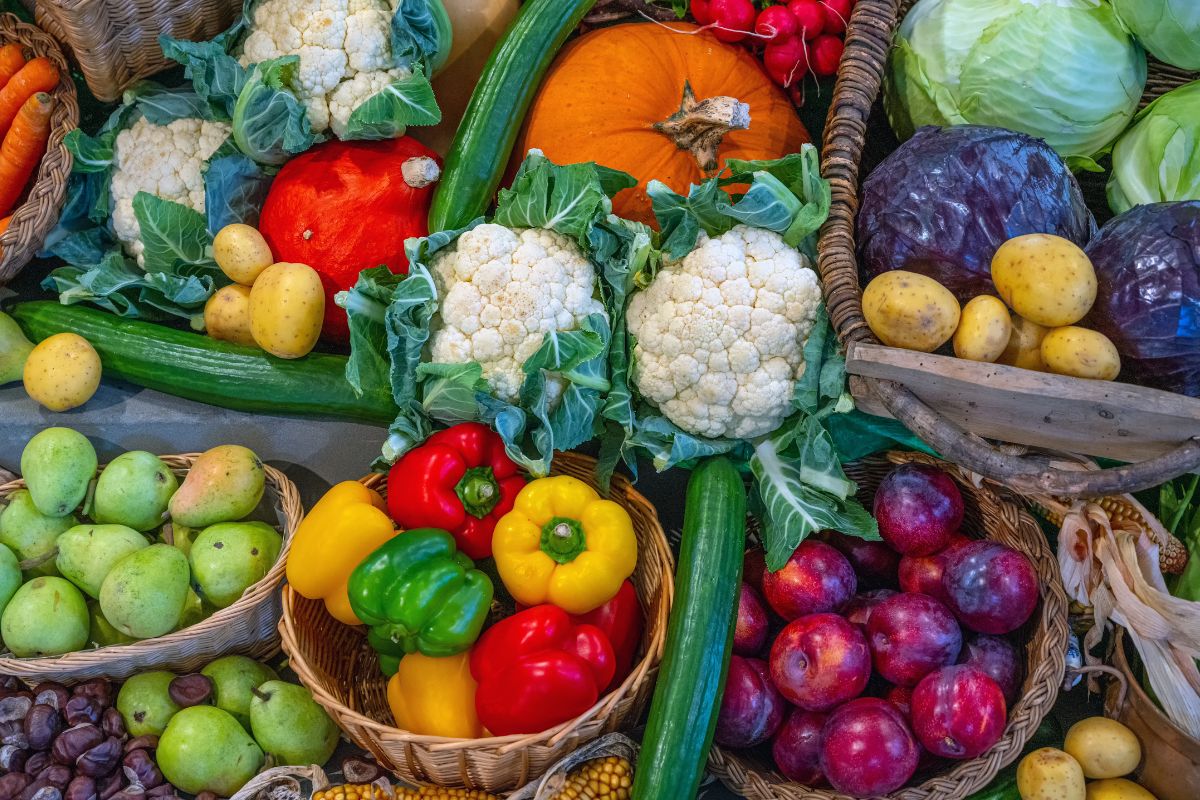
Agricultural commodities for international wholesale markets
3. Opportunities in International Agricultural Products Export
International agricultural trade offers significant opportunities for businesses seeking to expand their sourcing and distribution networks.
3.1 Access to New International Markets
Exporting agricultural products enables suppliers to reach customers beyond their domestic markets.
Countries with strong agricultural production capabilities can supply international buyers with products that may be limited or unavailable in their local markets.
For example, tropical agricultural products such as tropical fruits, spices, and natural agricultural ingredients can create sourcing opportunities for buyers in regions with different climates.
3.2 Diversification of Product Sourcing
Importers can reduce their dependence on a single sourcing market by establishing relationships with suppliers across multiple countries.
Diversified sourcing can help businesses manage seasonal fluctuations, supply shortages, and changes in production costs.
This is particularly important for wholesalers, food processors, and distributors that require consistent product availability.
3.3 Growth of Wholesale and Bulk Trading
Bulk agricultural commodity trading remains an important business model for international importers and distributors.
Purchasing larger volumes can help businesses optimize procurement operations, coordinate shipping more efficiently, and develop competitive distribution strategies.
However, buyers should evaluate product quality, storage requirements, shipping costs, and market demand before committing to large-volume orders.
3.4 Building Long-Term International Partnerships
Strong relationships between exporters, importers, and trading companies are essential for sustainable business growth.
A reliable international trading partner can help buyers identify sourcing opportunities, coordinate supplier communication, manage documentation, and support international logistics.
Long-term cooperation can create value for both suppliers and buyers through more efficient procurement and stable business relationships.
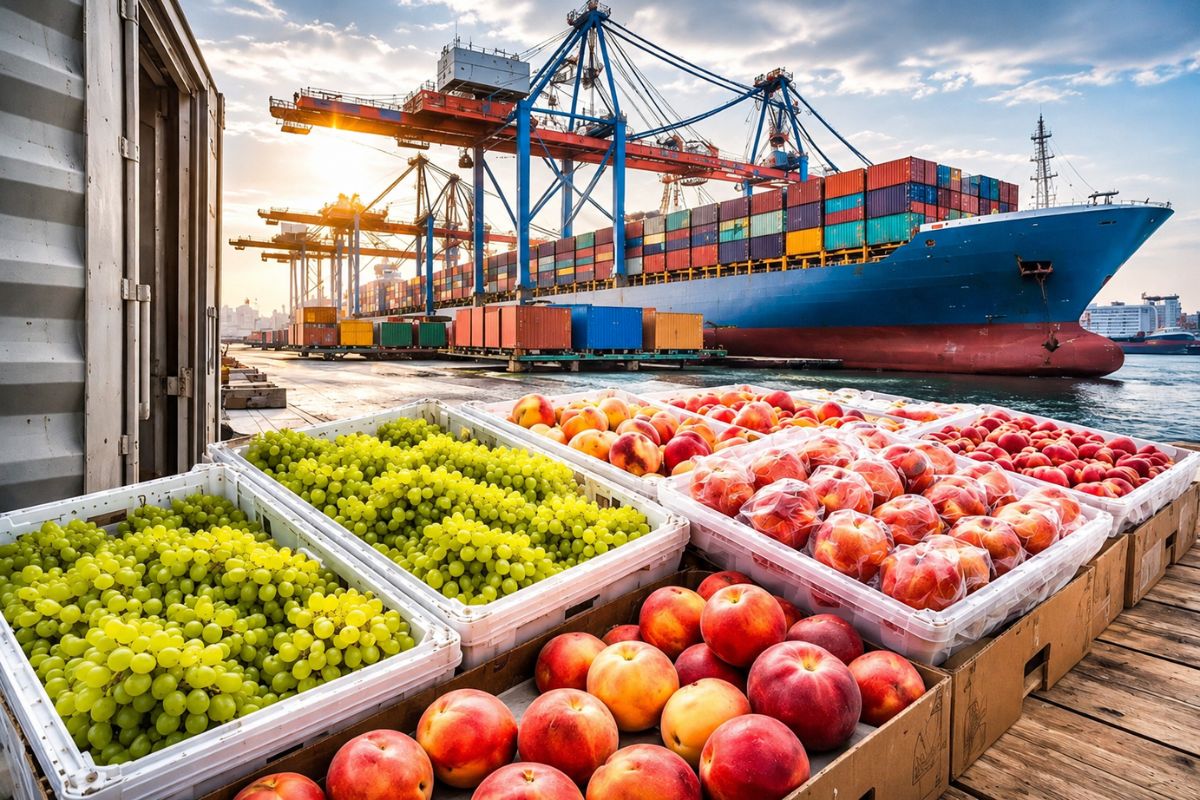
Agricultural products export and international shipping
4. Key Challenges in Global Agricultural Commodity Trading
Despite its opportunities, international agricultural products trading involves several challenges that businesses need to manage carefully.
4.1 Seasonal Production and Climate Change
Agricultural production depends heavily on weather conditions, growing seasons, and environmental factors.
Droughts, floods, extreme temperatures, and unpredictable rainfall can affect crop yields, product availability, and market prices.
These factors may create supply shortages and increase uncertainty for international buyers.
Businesses should consider seasonal production cycles and develop alternative sourcing options whenever possible.
4.2 Price Fluctuations in Agricultural Markets
Agricultural commodity prices can change due to multiple factors, including:
-
Global supply and demand
-
Weather conditions and crop yields
-
Fuel and transportation costs
-
Currency exchange rate movements
-
Government trade policies
-
International economic conditions
For importers and wholesalers, price volatility can affect purchasing decisions, inventory planning, and profit margins.
Monitoring market conditions and maintaining communication with suppliers can help businesses make more informed sourcing decisions.
4.3 International Shipping and Logistics Costs
Transportation plays a major role in the cost and efficiency of agricultural products export.
Long shipping distances, port congestion, container availability, fuel price changes, and seasonal demand can affect delivery schedules and transportation expenses.
For perishable agricultural products, proper handling, temperature control, and suitable transportation conditions are especially important.
Businesses should work with experienced logistics partners and carefully evaluate shipping arrangements before confirming international orders.
4.4 Import Regulations and Trade Compliance
Each country has its own regulations governing agricultural product imports.
Depending on the commodity, destination, and product condition, importers may need to meet requirements related to:
-
Customs declarations
-
Phytosanitary measures
-
Food safety regulations
-
Product labeling
-
Packaging requirements
-
Import permits and other regulatory documents
Failure to meet the applicable requirements may result in shipment delays, additional costs, or rejection at the destination.
Importers should verify current regulations with the relevant authorities and ensure that their suppliers understand the documentation requirements.
5. Important Factors to Consider When Choosing an Agricultural Products Supplier
Selecting the right supplier is a critical step in international agricultural trading.
Whether sourcing fresh produce, dried agricultural products, spices, or bulk commodities, buyers should evaluate suppliers based on several important criteria.
Product Quality and Specifications
Ensure that the products meet your required quality standards, including origin, grade, size, moisture content, packaging, and other relevant specifications.
Reliable Supply Capacity
Evaluate whether the supplier can meet your required order quantities and maintain consistent supply according to seasonal availability.
Export Experience
Choose suppliers with experience in international agricultural products export and familiarity with the documentation and procedures required for your target market.
Competitive Pricing
Compare quotations based on product specifications, packaging, order quantity, delivery terms, and total landed costs rather than unit price alone.
Logistics and Communication
A professional supplier should provide clear shipment information, realistic delivery schedules, and responsive communication throughout the transaction.
Working with an experienced international trading partner can simplify sourcing activities and help businesses coordinate multiple suppliers more efficiently.
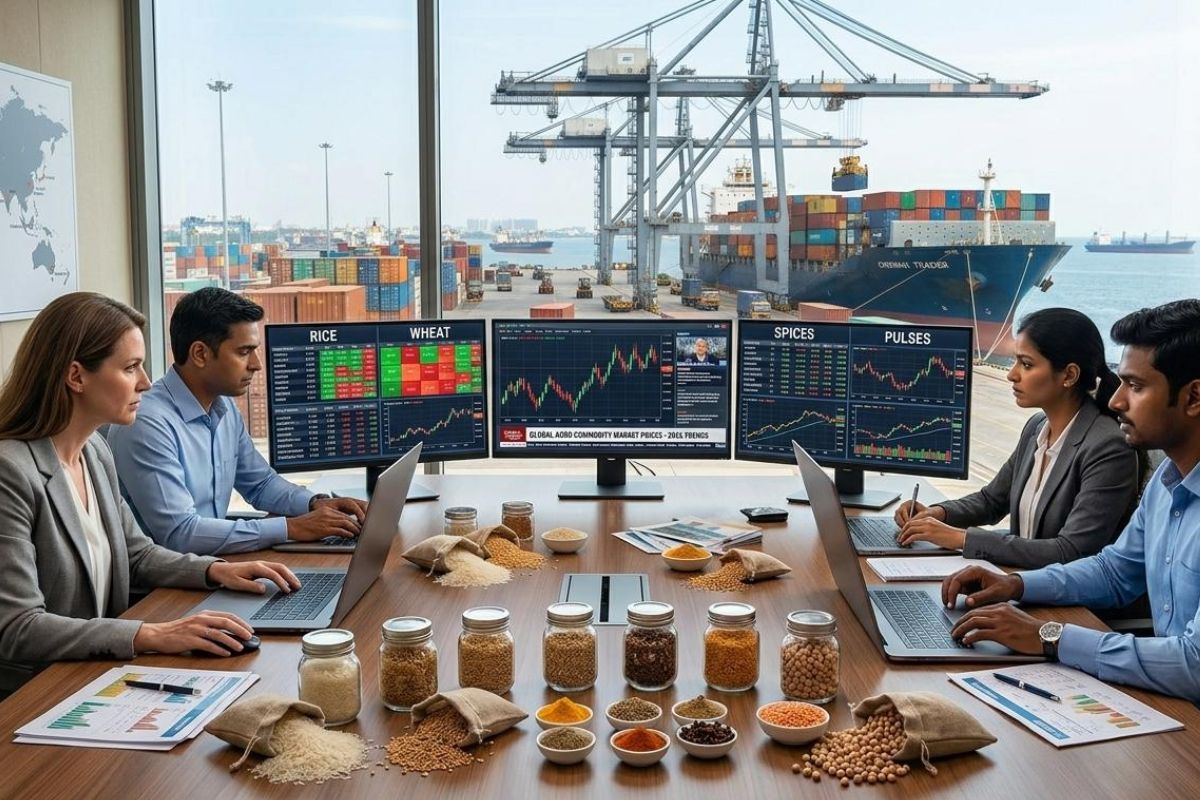
International agricultural trade and global sourcing partnerships
6. The Role of International Trading Companies in Agricultural Supply Chains
International trading companies play an important role in connecting agricultural producers and manufacturers with buyers across global markets.
They help facilitate transactions, coordinate product sourcing, and support communication between different parties involved in international trade.
Their services may include:
-
Identifying suitable manufacturers and agricultural suppliers
-
Coordinating product specifications and quotations
-
Supporting quality documentation and export procedures
-
Arranging international shipping and logistics
-
Connecting importers with reliable sourcing networks
For businesses purchasing agricultural commodities from international markets, working with a professional trading company can make the sourcing process more efficient.
An established supplier network also provides buyers with greater flexibility when exploring different products and sourcing destinations.
7. How IONEER INTL Supports Global Agricultural Products Trading
IONEER INTL CO., LTD is an international trading company specializing in fertilizers, agricultural products, and industrial minerals.
With a network of trusted manufacturers, suppliers, and business partners across Asia and other international markets, IONEER INTL is committed to delivering reliable sourcing solutions to customers worldwide.
Our approach focuses on three key areas:
Reliable Global Sourcing
We connect customers with manufacturers and suppliers to support their agricultural product and commodity sourcing requirements.
Competitive Trading Solutions
We aim to provide suitable sourcing options, competitive pricing, and flexible business solutions for international buyers.
Efficient International Logistics
We coordinate supply chain activities and international logistics to support smooth and reliable trading transactions.
Whether you are an importer, wholesaler, distributor, or business seeking agricultural product sourcing opportunities, IONEER INTL aims to build long-term partnerships based on reliability, transparency, and professional service.
Conclusion: Building Stronger Connections in Global Agricultural Trade
Global agricultural products trading continues to create opportunities for businesses across international markets.
Growing demand, evolving consumer preferences, supply chain diversification, and the expansion of international sourcing networks are shaping the future of agricultural commodity trading.
At the same time, businesses must manage challenges related to product quality, seasonal production, price volatility, logistics, and import regulations.
Choosing reliable suppliers and developing long-term international partnerships are essential steps toward building a sustainable agricultural trading business.
Looking for reliable agricultural product sourcing solutions?
Connect with IONEER INTL CO., LTD to explore international trading opportunities and discuss your business requirements.
IONEER INTL CO., LTD – Your Reliable Partner in Global Trading.


