
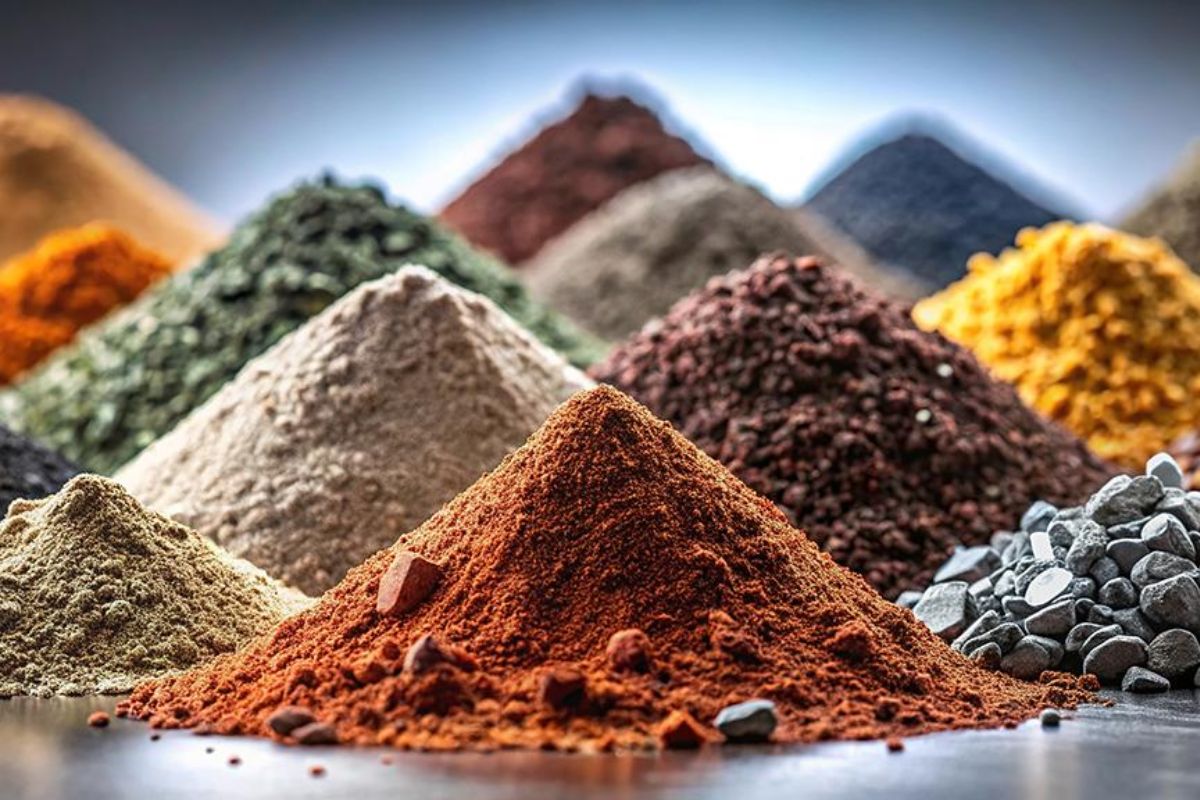
Industrial minerals are essential raw materials used in a wide range of manufacturing processes and industrial applications. From construction materials and ceramics to glass production, chemicals, agriculture, and advanced manufacturing, these natural resources play a significant role in supporting global industrial development.
As manufacturing industries continue to expand and international supply chains become increasingly interconnected, the demand for reliable industrial mineral products is creating new opportunities for suppliers, importers, distributors, and industrial manufacturers.
However, sourcing industrial minerals involves more than simply finding competitive prices. Product specifications, quality consistency, supply capacity, transportation, and international trade regulations all influence purchasing decisions.
Understanding these factors is important for businesses involved in mineral trading and industrial raw material procurement.
In this article, we explore the major types of industrial minerals, their applications, global market demand, supply chain considerations, and the importance of choosing reliable industrial mineral suppliers.
1. What Are Industrial Minerals?
Industrial minerals are naturally occurring geological materials that are extracted and processed for use in industrial and commercial applications.
Unlike metallic minerals, which are primarily valued for their metal content, industrial minerals are generally valued for their physical and chemical properties.
These properties may include hardness, whiteness, particle size, chemical composition, thermal resistance, absorption capacity, and other functional characteristics.
Industrial minerals are widely used in various industries, including:
-
Construction and building materials
-
Glass and ceramic manufacturing
-
Paints and coatings
-
Plastics and rubber production
-
Chemical manufacturing
-
Agriculture and fertilizer production
-
Paper and packaging
-
Water treatment and environmental applications
The specific application of each mineral depends on its grade, purity, physical properties, and processing requirements.
For manufacturers, selecting the right mineral raw material is essential to maintaining product quality and production efficiency.
2. Common Types of Industrial Minerals and Their Applications
Industrial minerals include a wide range of materials used across different manufacturing sectors. Some of the most important categories include:
2.1 Calcium Carbonate
Calcium carbonate (CaCO₃) is one of the most widely used industrial minerals.
It is commonly used as a filler, coating material, and functional additive in several manufacturing industries.
Major applications include:
-
Plastic and rubber manufacturing
-
Paints and coatings
-
Paper production
-
Construction materials
-
Adhesives and sealants
Its properties, including whiteness, particle size, and purity, are important factors when selecting calcium carbonate for industrial applications.
2.2 Kaolin
Kaolin is a naturally occurring clay mineral primarily composed of kaolinite.
Due to its fine particle size, whiteness, and chemical properties, kaolin is widely used in:
-
Ceramic and porcelain production
-
Paper coating and filling
-
Paints and coatings
-
Rubber and plastics
-
Refractory materials
Different industrial applications require different kaolin grades and specifications.
2.3 Bentonite
Bentonite is a clay mineral primarily composed of montmorillonite and is known for its swelling, binding, and absorption properties.
It is commonly used in:
-
Drilling fluids
-
Foundry sand binders
-
Iron ore pelletizing
-
Civil engineering
-
Environmental applications
-
Selected agricultural applications
Bentonite quality and performance can vary depending on its mineral composition and processing methods.
2.4 Silica Sand
Silica sand is an important industrial raw material containing a high proportion of silicon dioxide (SiO₂).
Its applications include:
-
Glass manufacturing
-
Foundry operations
-
Construction materials
-
Filtration systems
-
Ceramics
-
Industrial processing
Silica sand specifications often depend on SiO₂ content, iron oxide levels, particle size distribution, and other impurities.
2.5 Feldspar
Feldspar is a group of rock-forming minerals widely used in the ceramic and glass industries.
Its main functions include:
-
Acting as a flux in ceramic manufacturing
-
Supporting glass production
-
Improving the properties of ceramic bodies and glazes
The chemical composition and mineral characteristics of feldspar influence its suitability for different production processes.
2.6 Talc
Talc is a soft magnesium silicate mineral used in multiple industrial applications.
Common uses include:
-
Plastics manufacturing
-
Paints and coatings
-
Paper production
-
Ceramics
-
Rubber manufacturing
-
Selected cosmetic and personal care applications
Industrial talc is selected according to its purity, particle size, brightness, and other technical specifications.
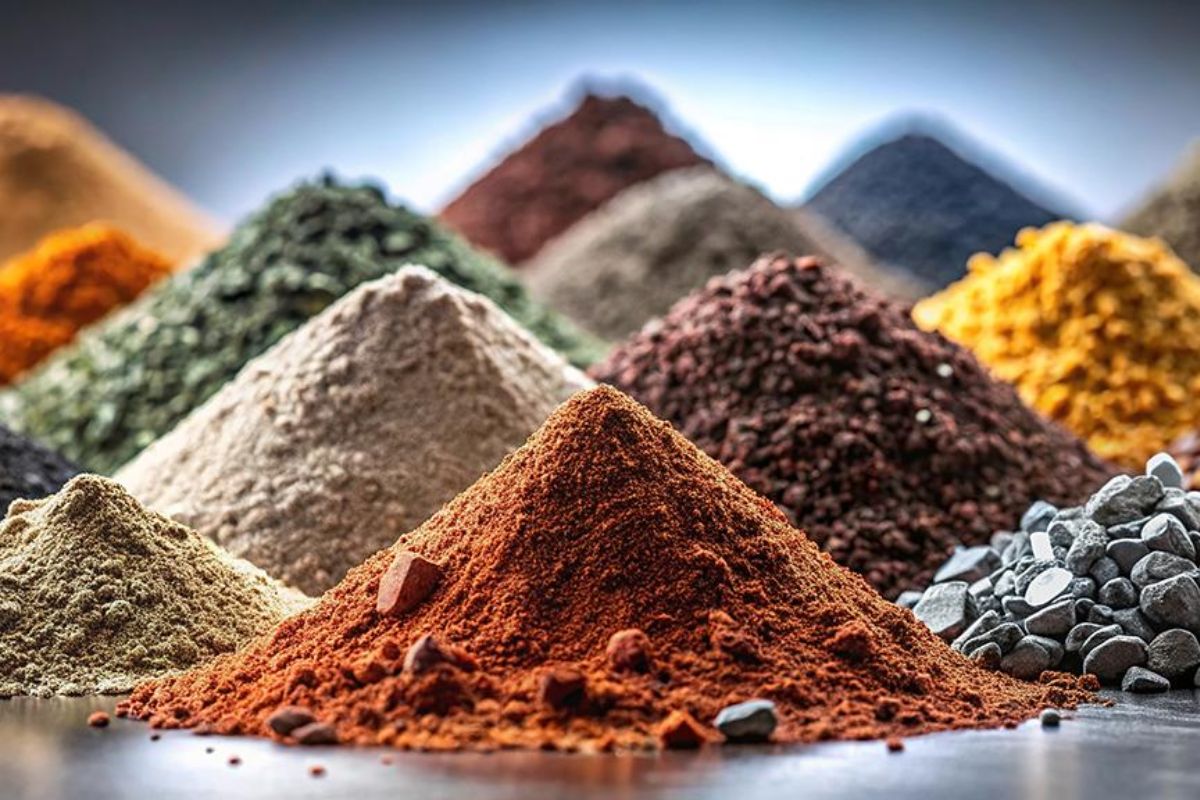
Industrial minerals and raw materials for manufacturing industries
3. Key Industries Driving Global Demand for Industrial Minerals
Industrial mineral demand is closely connected to manufacturing activity, infrastructure investment, technological development, and consumer demand.
Several major industries continue to create opportunities for industrial mineral suppliers.
3.1 Construction and Building Materials
The construction industry is a major consumer of industrial minerals.
Materials such as limestone, silica sand, calcium carbonate, gypsum, and other mineral products are used in cement, concrete, glass, tiles, ceramics, and construction materials.
As infrastructure projects and urban development expand, the need for reliable mineral raw material supply remains important.
3.2 Glass and Ceramic Manufacturing
Industrial minerals are fundamental to glass and ceramic production.
Silica sand, feldspar, kaolin, and other mineral materials contribute to the composition and performance of finished products.
Manufacturers require consistent chemical composition and particle size to maintain production efficiency and product quality.
3.3 Plastics, Rubber, and Chemical Industries
Many industrial minerals are used as fillers, functional additives, or processing materials in plastics and rubber production.
Calcium carbonate and talc, for example, can help modify material properties and optimize manufacturing costs when selected appropriately.
These applications make industrial minerals important components of numerous manufacturing supply chains.
3.4 Agriculture and Fertilizer Production
Certain mineral resources are also important in agricultural applications.
Examples include:
-
Phosphate rock for phosphate fertilizer production
-
Potash minerals as sources of potassium for fertilizers
-
Limestone for agricultural lime and soil treatment
-
Gypsum for selected soil improvement applications
These materials support agricultural productivity and contribute to the broader fertilizer and agricultural supply chain.
3.5 Environmental and Water Treatment Applications
Some mineral products are used in environmental management and water treatment processes.
For example, activated minerals, selected clays, limestone, and other mineral-based materials may be used in filtration, adsorption, neutralization, and treatment applications.
The suitability of each mineral depends on its technical characteristics and the specific treatment process.
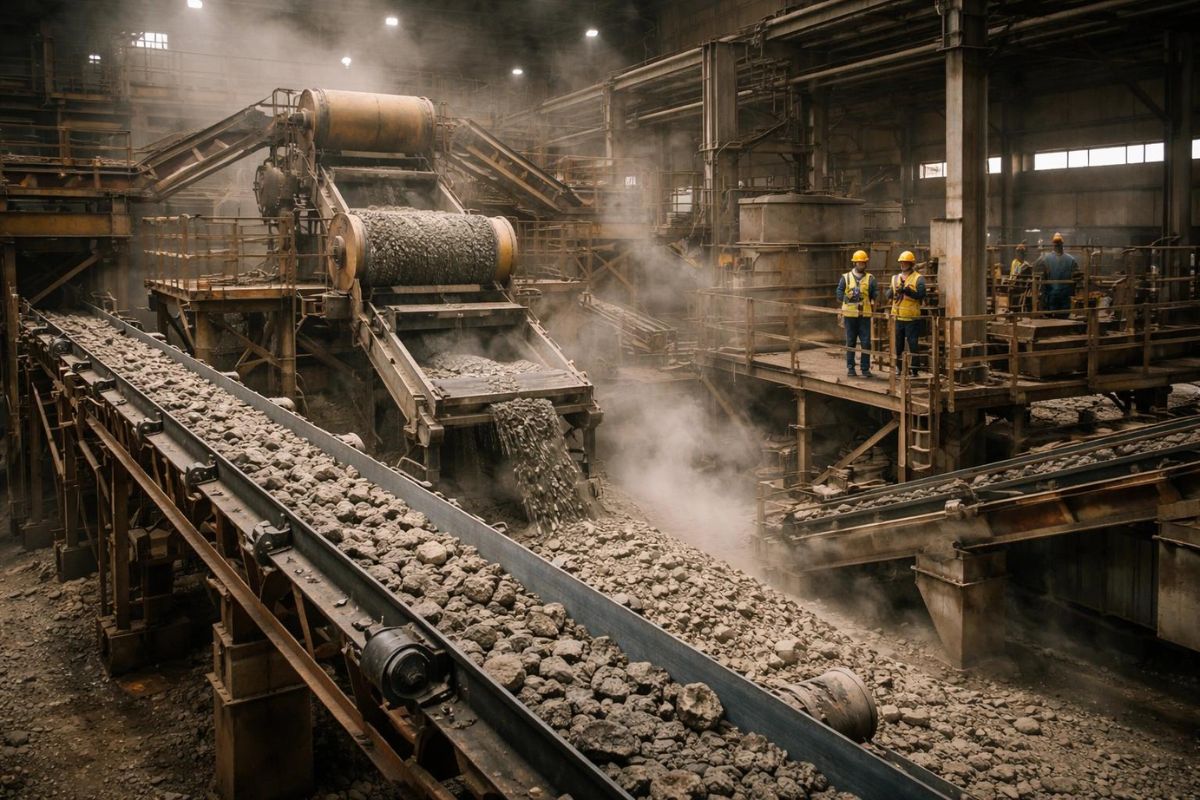
Industrial mineral processing and quality control
4. Global Market Demand and Opportunities in Mineral Trading
The global industrial minerals market is influenced by several interconnected economic and industrial factors.
For businesses involved in mineral trading, understanding these drivers can help identify sourcing opportunities and potential customer markets.
4.1 Growing Industrial Manufacturing Activities
Manufacturing industries require a continuous supply of raw materials to maintain production.
As industrial activities expand in different regions, manufacturers need reliable access to minerals that meet their technical and commercial requirements.
This creates opportunities for industrial mineral suppliers and international trading companies to connect producers with industrial buyers.
4.2 Infrastructure and Urban Development
Infrastructure development creates demand for construction materials, glass, ceramics, cement, and other mineral-based products.
Markets investing in transportation networks, residential construction, commercial buildings, and industrial facilities may generate additional demand for relevant mineral raw materials.
4.3 Expansion of International Sourcing Networks
Industrial buyers increasingly evaluate suppliers from different countries to improve procurement flexibility and manage sourcing risks.
International mineral trading allows buyers to explore alternative sourcing destinations, compare product specifications, and develop relationships with multiple suppliers.
4.4 Demand for Specialized Mineral Grades
Different manufacturing processes require specific mineral properties.
For example, glass manufacturers may prioritize silica purity and low iron content, while ceramic producers may require particular chemical compositions and particle sizes.
This creates opportunities for suppliers capable of offering products that meet clearly defined technical specifications.
5. Industrial Mineral Supply Chains: From Mining to Manufacturing
A reliable industrial mineral supply chain involves several stages, from extraction and processing to international transportation and final delivery.
Understanding this process helps industrial buyers evaluate suppliers and manage procurement risks.
5.1 Mining and Raw Material Sourcing
The supply chain begins with mineral extraction from natural deposits.
The quality and availability of raw materials depend on geological characteristics, mining capacity, and local production conditions.
5.2 Processing and Quality Control
After extraction, minerals may undergo crushing, grinding, washing, screening, classification, drying, or other processing operations.
These processes help achieve the required product specifications.
Depending on the mineral and application, quality control may include testing for:
-
Chemical composition
-
Moisture content
-
Particle size distribution
-
Whiteness and brightness
-
Impurity levels
-
Physical properties
A Certificate of Analysis (COA) or relevant laboratory test report can help buyers verify whether a product meets their requirements.
5.3 Packaging and Storage
Industrial minerals may be supplied in different packaging formats depending on product characteristics and order requirements.
Common packaging options include:
-
25 kg bags
-
50 kg bags
-
Jumbo bags
-
Bulk packaging
Proper storage and handling are important to protect products from moisture, contamination, and damage during transportation.
5.4 International Transportation and Distribution
Industrial mineral products are frequently transported through international shipping networks.
Depending on the product and destination, shipments may use containers, bulk vessels, or other suitable transportation methods.
Importers should consider shipping costs, loading arrangements, customs procedures, and delivery schedules when evaluating sourcing options.
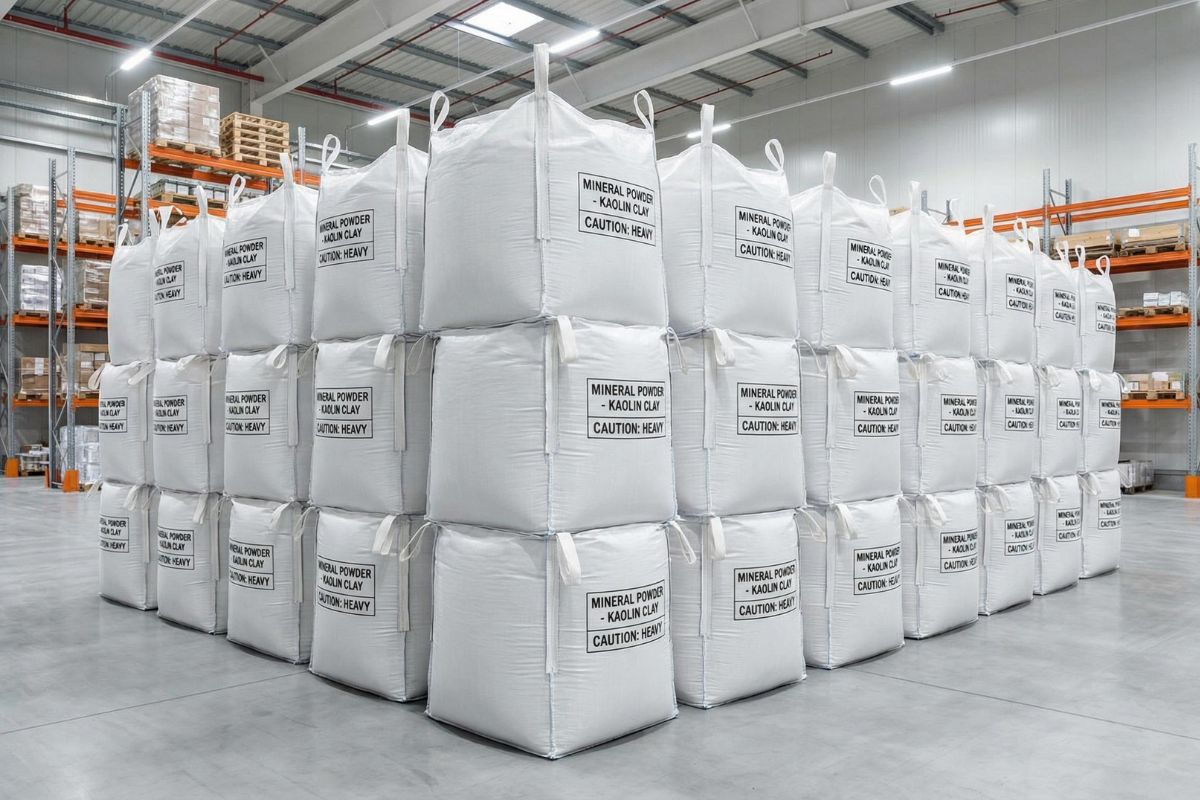
Bulk industrial mineral products for manufacturing
6. How to Choose Reliable Industrial Mineral Suppliers
Choosing the right industrial mineral supplier is essential for manufacturers and importers that require consistent raw material quality.
Before entering into a purchasing agreement, businesses should evaluate several key factors.
Product Specifications and Quality
Check chemical composition, purity, particle size, moisture content, and other technical characteristics relevant to your production process.
Supply Capacity
Confirm whether the supplier can meet your required order volume and maintain a reliable supply schedule.
Quality Documentation
Request product specifications, COA, SDS/MSDS, and other relevant documents where applicable.
Pricing and MOQ
Compare quotations based on product grade, packaging, order quantity, shipping arrangements, and total landed cost.
Export and Logistics Experience
Evaluate the supplier's ability to coordinate international shipments, prepare export documents, and communicate delivery schedules.
Communication and Business Transparency
A professional supplier should provide clear information, realistic commitments, and timely responses throughout the purchasing process.
Working with experienced industrial mineral suppliers or international trading companies can help businesses simplify procurement and improve supply chain coordination.
7. The Role of International Mineral Trading Companies
International mineral trading companies help connect mineral producers, manufacturers, distributors, and buyers across different markets.
They play an important role in coordinating sourcing activities and facilitating international transactions.
Their responsibilities may include:
-
Identifying suitable mineral manufacturers and suppliers
-
Connecting buyers with relevant sourcing networks
-
Coordinating product specifications and quotations
-
Supporting quality documentation
-
Arranging international shipping and logistics
-
Facilitating communication between suppliers and buyers
For industrial buyers, working with an experienced trading partner can provide greater sourcing flexibility, especially when purchasing multiple mineral products from different suppliers.
A well-coordinated supply network can also help businesses respond to changing procurement requirements and market conditions.

International industrial mineral supply chain and export logistics
8. How IONEER INTL Supports International Mineral Trading
IONEER INTL CO., LTD is an international trading company specializing in fertilizers, agricultural products, and industrial minerals.
With a network of trusted manufacturers, suppliers, and business partners across Asia and other international markets, IONEER INTL focuses on providing reliable sourcing solutions to customers worldwide.
Our approach is built around three key commitments:
Reliable Sourcing Network
We work with manufacturers and suppliers to support customers looking for suitable industrial mineral products and raw material sourcing solutions.
Competitive Trading Solutions
We aim to provide competitive sourcing options and flexible business solutions based on customer requirements.
Efficient International Logistics
We coordinate international supply chain activities to support smooth transactions and reliable product delivery.
Whether you are an industrial manufacturer, raw material importer, wholesaler, or distributor, IONEER INTL is committed to building long-term business partnerships through reliable sourcing and professional international trading services.
Conclusion: Building Reliable Industrial Mineral Supply Chains
Industrial minerals are essential raw materials supporting construction, manufacturing, agriculture, chemicals, and numerous other industries.
As global industrial activities evolve, the need for consistent product quality, competitive sourcing, and reliable international supply chains remains important for manufacturers and buyers.
Understanding mineral applications, market demand, product specifications, and supplier capabilities can help businesses make better procurement decisions.
Choosing the right sourcing partner is not only about finding competitive prices. It is also about establishing a reliable supply relationship that supports long-term business growth.
Looking for reliable industrial mineral sourcing solutions?
Contact IONEER INTL CO., LTD to discuss your sourcing requirements and explore international mineral trading opportunities.
IONEER INTL CO., LTD – Your Reliable Partner in Global Trading.


